A unique pluralistic, integrative therapeutic experience
Finding Your Calm Place Starts Here
There are so many different types of therapy - so how do you know what you need?
Whilst there are many different types of therapy, research tells us one of the most important indicators that therapy will work is the therapeutic relationship between you and your therapist. That mean you feel heard, safe, valued, not judged - it's the feeling that your therapist really 'gets' you.
Even so, there's also research which tells us different therapy types can be particularly helpful for particular issues and you will naturally have your own preferred way of working which will align with different therapeutic approaches. For example, if you prefer a more structured approach, CBT may work for you. If you prefer the opposite, a person-centred approach may be perfect. Like to move about? Somatic therapy could be your thing.
But a pluralistic integrative therapist like me will work with you to bring all these elements together and design an approach which is unique to you because guess what - you are the expert on you. Sound good? Then check out the different approaches we can use below!
CBT (Cognitive Behavioural Therapy
Cognitive Behavioural Therapy is a structured, approach to therapy that helps people identify and change negative thought patterns and behaviours. It focuses on learning about the connection between thoughts, feelings, and behaviour, aiming to develop healthier ways of coping and improve mental well-being by challenging and altering unhelpful beliefs.


CFT (Compassion Focused Therapy)
Compassion Focused Therapy is an approach that aims to help people develop self-compassion and reduce self-criticism. By learning about how our brains evolved along with the concepts of CBT and mindfulness, emotional wounds can be healed, resilience built, and well-being recovered by building kindness, empathy, and understanding toward ourselves and others.

Mindfulness
Mindfulness is the practice of paying deliberate, non-judgmental attention to the present moment. It involves observing thoughts, feelings, and bodily sensations with acceptance, without trying to change or avoid them. This practice promotes self-awareness, reduces stress, and enhances mental clarity, fostering a sense of calm and well-being.
ACT (Acceptance and Commitment Therapy
Acceptance and Commitment Therapy is a form of counselling that encourages individuals to accept their thoughts and feelings rather than fighting or avoiding them. It combines mindfulness practices with behaviour change strategies to help clients live authentically with more flexibility in how they approach complex life experiences.


Person-Centred Therapy
Person-Centred Counselling was developed by Carl Rogers and emphasizes a non-directive, empathetic relationship between the therapist and client. It focuses on the client's self-discovery and personal growth, which can occur when the counselling space enables the client to feel valued, understood, heard and not judged by the therapist. Clients are supported to explore and resolve their issues at their own pace.
Creative Approaches
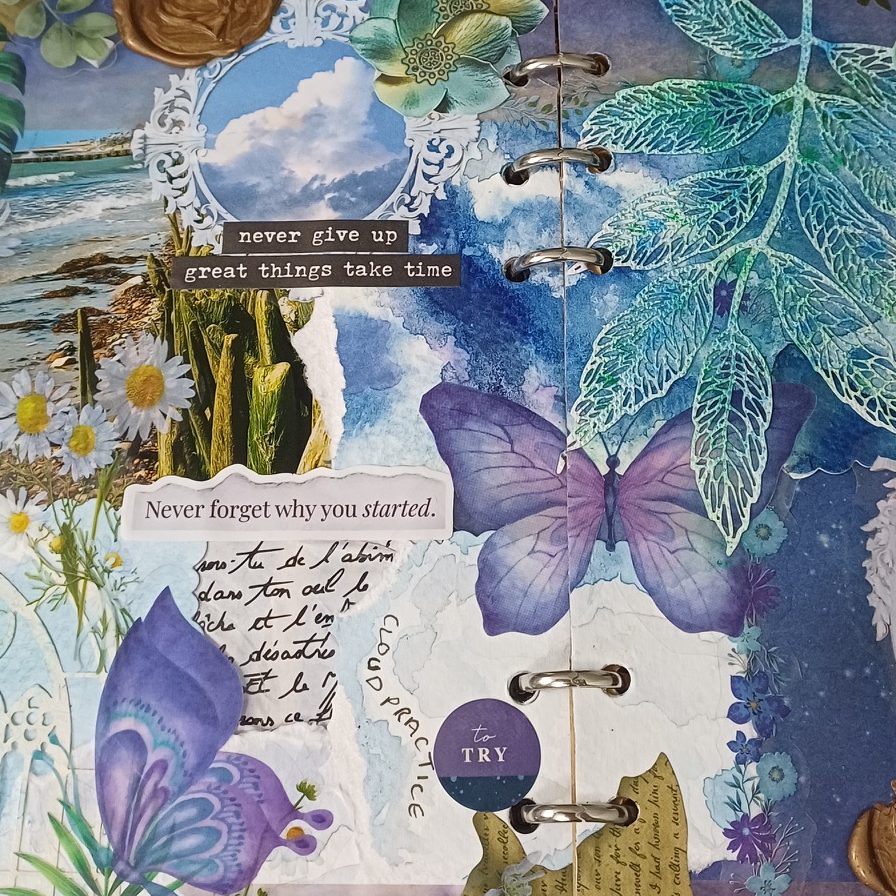
Creative therapies involve the use of artistic activities, such as art, music and writing as therapeutic tools to help explore thoughts, feelings and behaviours and enhance emotional well-being. These therapies provide a non-verbal, expressive outlet for individuals to explore life experiences, reduce stress, and foster self-awareness. This in turn supports healing and personal growth
Guided Imagery
Guided imagery is a therapeutic technique that involves visualising positive, calming images or scenarios to promote relaxation and mental well-being. Often led by a therapist or through recorded instructions, it helps individuals reduce stress, manage pain, and enhance emotional resilience by engaging the imagination and focusing the mind.


SFBT (Solution Focused Brief Therapy
Solution Focused Brief Therapy is a goal-oriented, brief counselling approach that emphasizes finding practical solutions rather than exploring problems or delving into past traumas. It focuses on clients' strengths, resources, and past successes, helping them envision their desired future and identify steps to achieve it. The therapy is collaborative, empowering clients to create positive change quickly.
Get in Touch
Telephone: 07708 753737
E-mail: emilie@thecalmplace.co.uk
Address: Your Healing Rooms, Nevill Street, Abergavenny, NP7 5AA